Can movers lose your items abroad? Truth about moving safety
Can movers lose your items abroad? Truth about moving safety
Uprooting your life to move overseas can be one of the most exciting and terrifying experiences you’ll ever go through. There’s a lot to take in, from adapting to a completely new environment to learning how things work in a different country. Whether you’re chasing a new job opportunity, relocating your family, or returning to a place you once called home, the emotional and mental load can feel overwhelming.
What makes it even more nerve-wracking? The never-ending worry about your belongings. Will they make it to your new home safely? What if something gets lost or broken along the way? It’s not just about losing a few boxes but about losing the comfort and familiarity of the things that have travelled with you through life. That’s why choosing the right international moving company is so important to ensure your transition is smooth and stress-free.
Why people worry about lost items during international moves
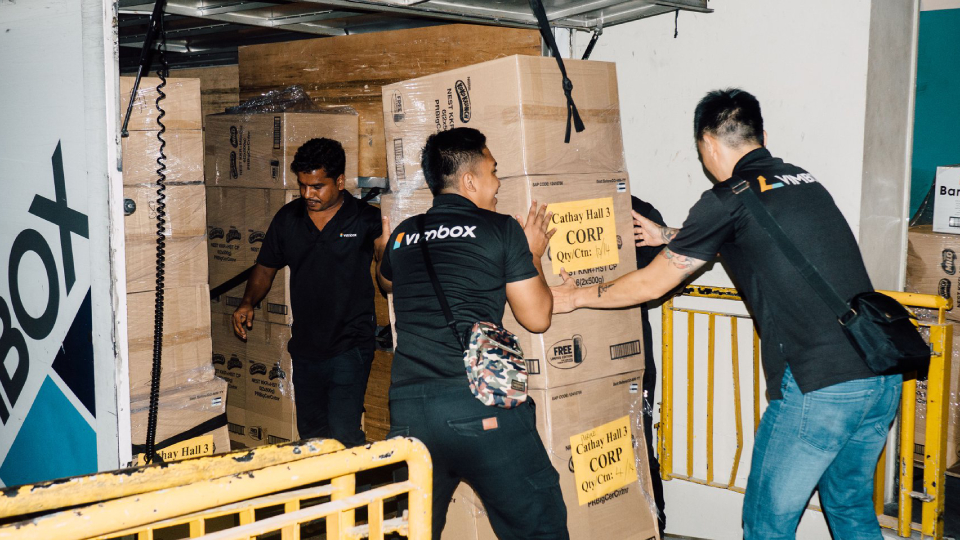
It’s not paranoia, it’s a valid concern. When you’re moving across borders, there are more moving parts than in a local relocation. Your items may go through several hands, from the local movers who load them onto the truck, to customs officers, to freight handlers at ports or airports. With every transfer, there’s a risk of human error, mislabelling, or even misplaced cargo.
The fear of loss is amplified because you’re not nearby to fix things if something goes wrong. You’re likely already en route or even settled into your new location by the time the bulk of your shipment arrives. This time gap creates a sense of helplessness. And while most international moving companies do their best to track and safeguard your possessions, incidents do happen.
What could go wrong?
Let’s break down the most common reasons why things might go missing or get damaged:
1. Poor labelling or documentation
In international logistics, accurate documentation is everything. If items are not properly labelled or matched to the right inventory list, they can easily be sent to the wrong destination or held up indefinitely at customs.
2. Inexperienced or unlicensed movers
Some movers may claim to handle international jobs without having the proper licensing or global partnerships in place. These providers may cut corners or lack the necessary systems to manage a cross-border move efficiently.
3. Transfer mishaps between carriers
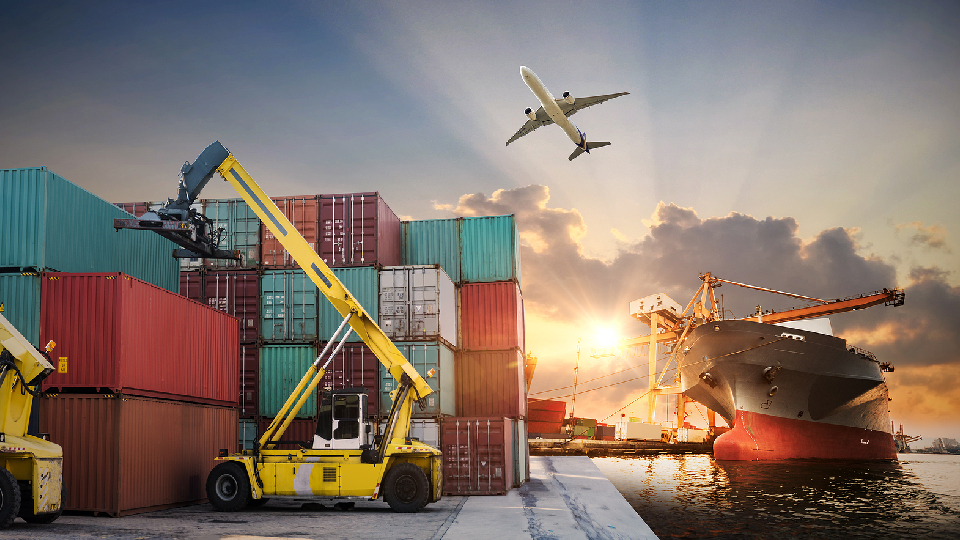
For longer relocations, your items might be transferred between different shipping modes, like road, sea, and air. With every transfer, there’s a new chance for misplacement, especially if coordination between carriers is poor.
4. Inadequate packing
Improper packing increases the risk of damage. If fragile items are not cushioned well or if boxes are overfilled, they could break in transit. Worse still, insurance may not cover the damage if the packing standards weren’t met.
How to minimise the risk of lost or damaged items
You can’t control every step of an international move, but you can take several actions to reduce your risk.
- Choose a trusted international moving company
Always go with a licensed and well-reviewed company that specialises in overseas relocations. A reputable mover will have a track record of successful shipments, a clear process for inventory management, and robust customer support to keep you updated along the way.
- Get a detailed inventory list
Before packing starts, ensure your movers create a detailed, itemised inventory. Check it thoroughly and keep a copy for yourself. If anything goes missing, you’ll have proper documentation for claims.
One of the biggest decisions when relocating is whether to sell or ship furniture. Large items can take up valuable container space and may not even fit well in your new home. Consider the cost of international shipping versus buying new furniture overseas, factoring in sentimental value and practicality.
- Use proper labelling systems
Labels should include your name, destination address, and an inventory code. Labelling should be clear and waterproof, as this helps handlers keep everything on track and ensures a smoother customs clearance process.
- Consider insurance
Most reputable movers offer basic liability coverage, but it might not be enough for valuable or sentimental items. Look into additional insurance that covers full replacement value. It’s a small cost for peace of mind.
- Pack a personal essentials box
Carry essential items, such as documents, electronics, medications, and a few comfort items, with you. These should never go into the main shipment. Think of it as your “just-in-case” box in case delays happen.
What to do if something goes missing
Even with every precaution, mistakes can still happen. If your belongings are delayed, damaged, or lost, don’t panic. Start by contacting your international moving company immediately to file a report. They should be able to track the item’s last known location using their internal system.
Next, review your contract and insurance coverage. Many providers have a claims process that involves submitting documentation, including the inventory list and photos of the damaged goods (if applicable). The sooner you report the issue, the faster the resolution process can begin.
If your movers are unresponsive or you’re unsatisfied with the result, you may escalate the matter to the relevant consumer protection authority or the international moving association they’re affiliated with.
Conclusion
An international move is never a small undertaking, and it’s completely normal to feel anxious about your belongings making the trip safely. But with the right planning, trustworthy movers, and a clear understanding of the process, you can significantly reduce the risk of loss or damage. Most importantly, remember that while things can go missing, memories, relationships, and your sense of adventure will always be with you.
Looking for a moving partner you can count on? Whether you’re planning a house move abroad, relocating your office, or simply need reliable storage solutions, Vimbox Movers offers a trusted range of services to support your journey. With years of experience and a strong reputation in Singapore, we’re here to help you move with confidence every step of the way.